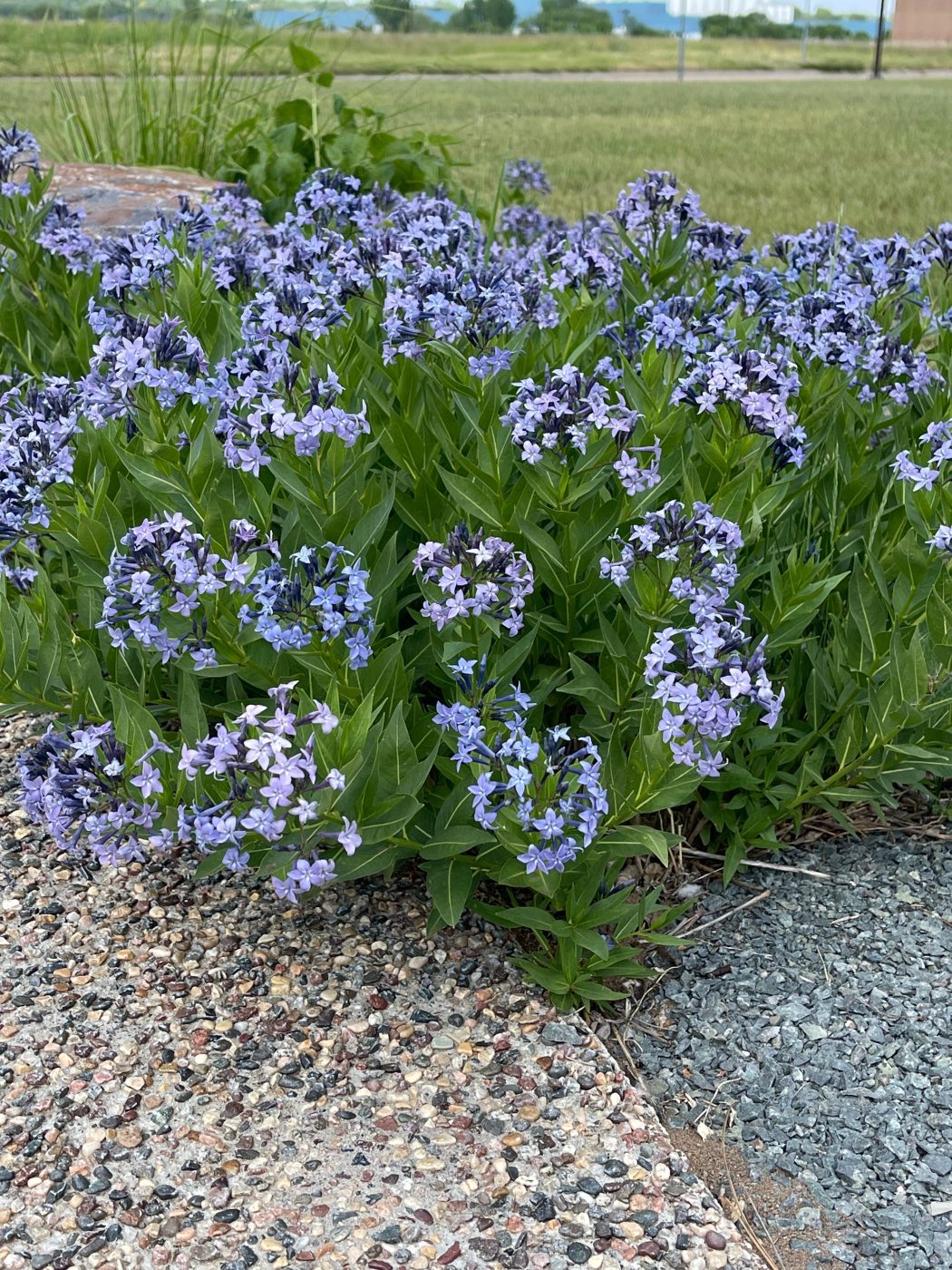
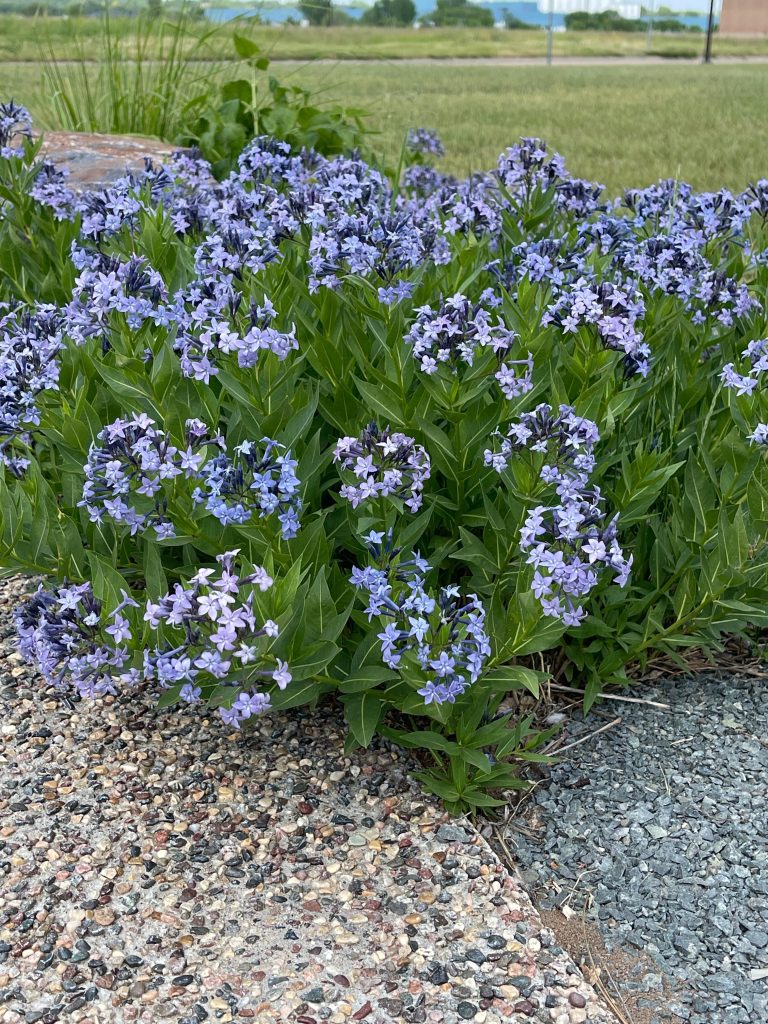
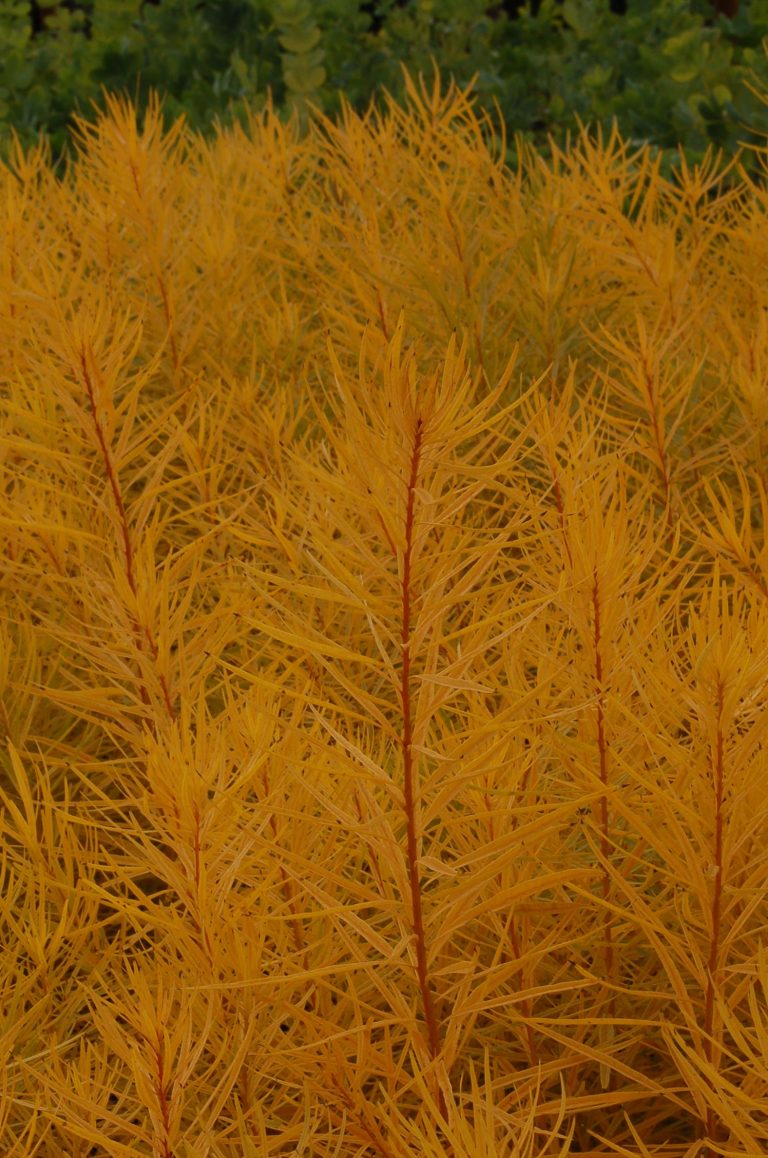
Bluestars form upright clumps with clusters of pale blue, star-shaped spring flowers. Leaf texture varies from the broad leaves of A. tabernaemontana to the fine foliage of A. hubrichtii. Autumn foliage can turn yellow. Give established plants sun or light shade and drainage.
CHARACTERISTICS & ATTRIBUTES
Growing Temperature: Establish crowns in spring and allow seasonal growth. A warmer finish cannot replace crown maturity for flowering.
Soil pH: Acidic to neutral soil; the listed bluestars are not strict acid-soil plants.
Pests and Diseases: Bluestar is generally a low-problem perennial. Inspect occasional leaf spots or mildew and check drainage if young crowns decline.
Potting and Timing: Use a container that accommodates the thickening roots. Established crowns make a better spring flowering crop than newly divided small pieces.
Moisture: Water consistently during establishment. Established garden plants tolerate some drought, but small containers should not repeatedly wilt.
Planting Level: Set the crown at grade and keep basal foliage clear of wet media.
PGRs/Pinching: A light cutback after flowering can keep tall types rounded. Leave developing spring stems intact until bloom.
Lighting: Full sun to partial shade; more shade produces a looser habit.