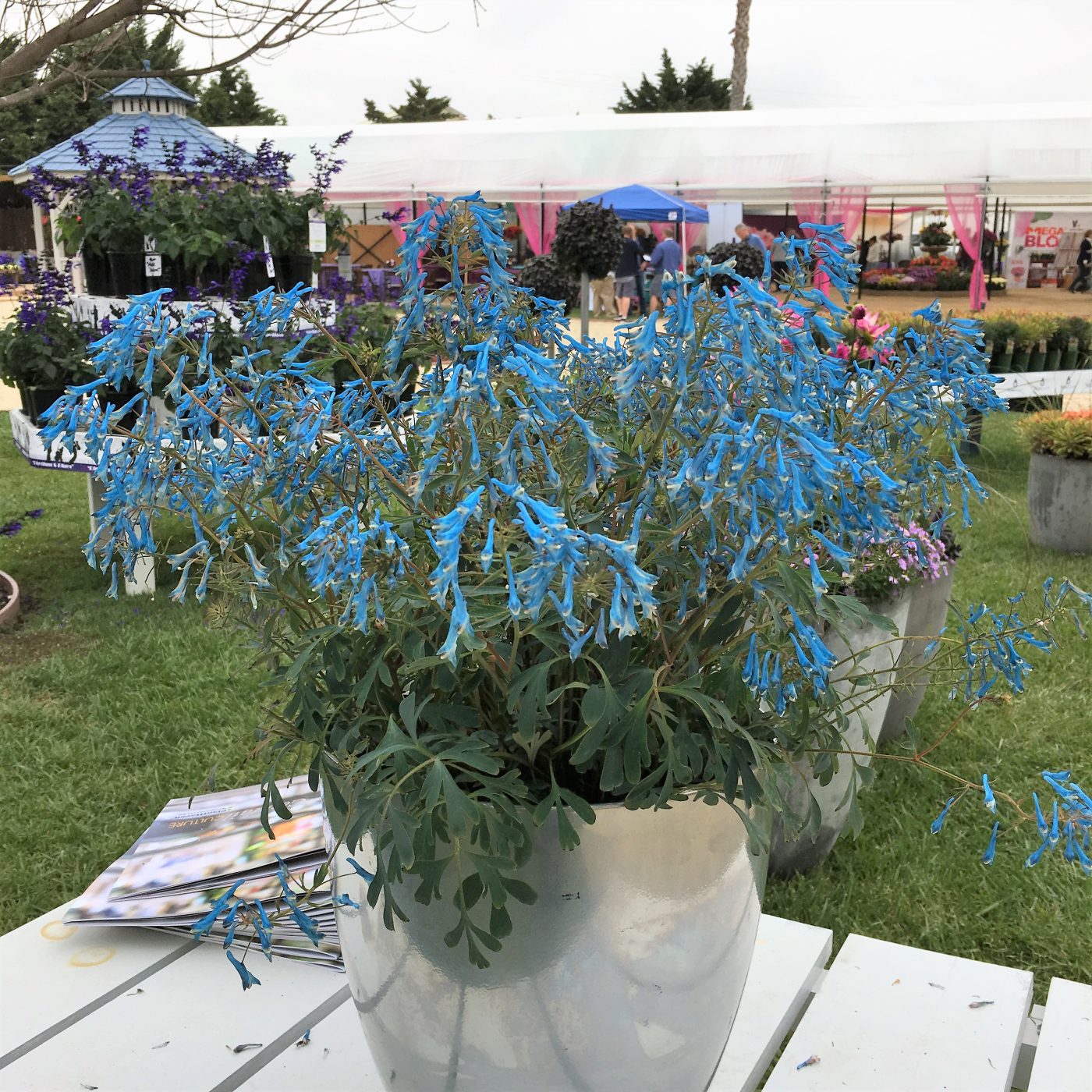
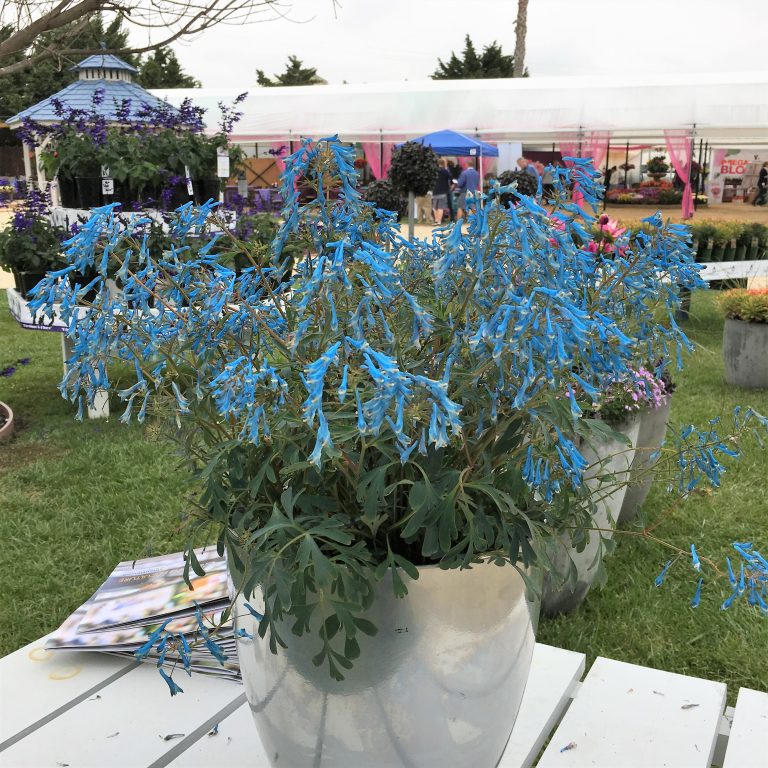
Corydalis and related yellow corydalis offer finely divided leaves and tubular flowers. Some flower in spring and become dormant in summer, while others keep growing in cool conditions. Provide the light and seasonal moisture appropriate to the species.
CHARACTERISTICS & ATTRIBUTES
Growing Temperature: Keep blue corydalis roots cool. C. solida follows a spring growth cycle and normally becomes dormant in summer.
Soil pH: Varies by species. Use the particular blue, yellow or tuberous corydalis program rather than a shared pH number.
Pests and Diseases: Slugs and snails can damage corydalis shoots. Check roots when clumps collapse, and distinguish normal tuberous-species dormancy from decay.
Potting and Timing: Keep fleshy roots cool and handle them gently. C. solida is spring dormant-stock material, while blue and yellow flowering types have different seasonal habits.
Moisture: Keep blue corydalis cool and moist with drainage. Reduce water for C. solida as its spring foliage dies back naturally.
Planting Level: Set the crown at the media surface, with the roots covered.
PGRs/Pinching: No routine pinch. Remove old flower stems without disturbing basal shoots.
Lighting: Partial shade and cool roots; intense heat can trigger dormancy in sensitive species.