
Genus Overview
Dicentra (Bleeding Heart)
DESCRIPTION
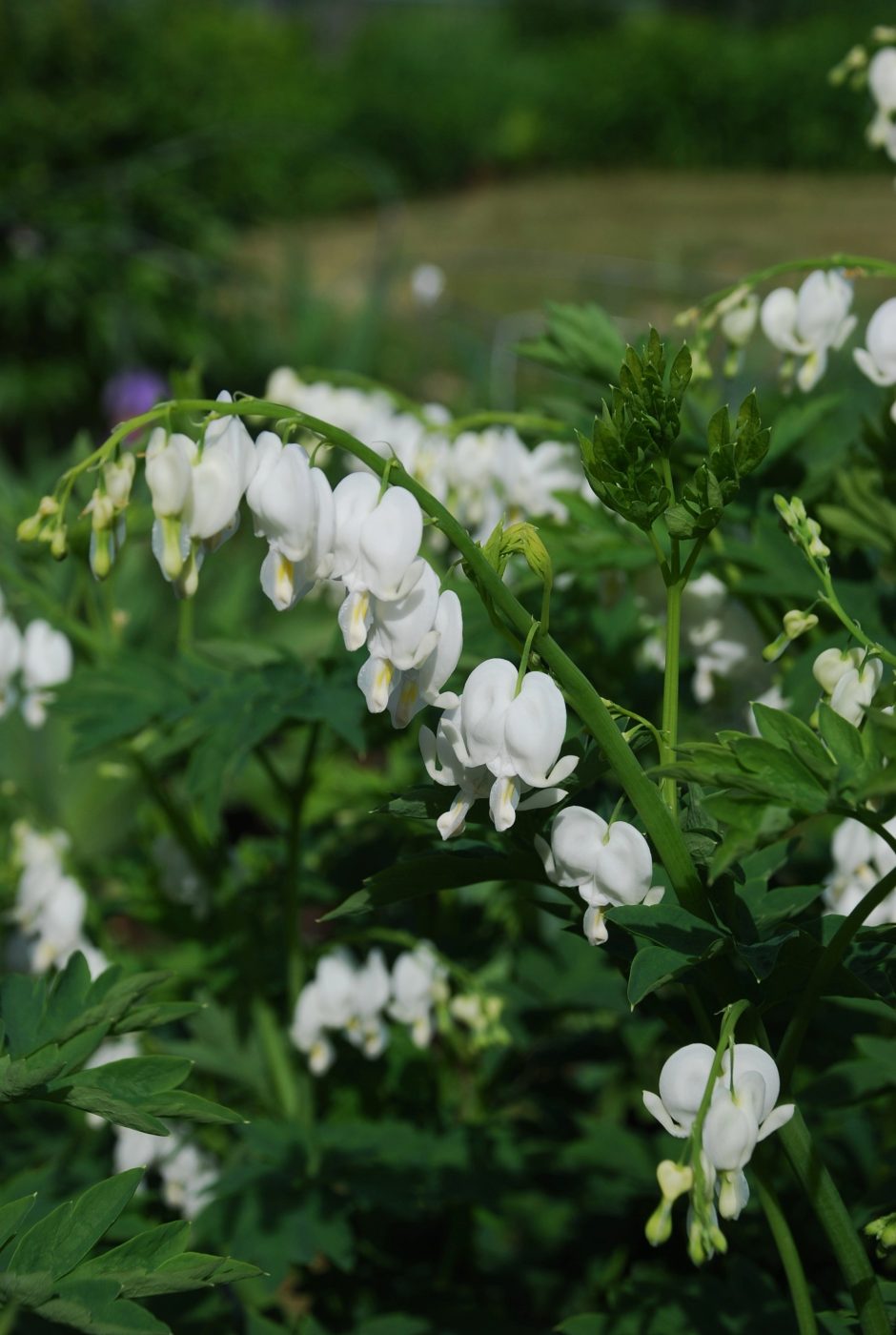
Bleeding hearts carry distinctive heart-shaped flowers above divided foliage. Old-fashioned Lamprocapnos spectabilis commonly becomes dormant in summer, especially in heat or drought. Fernleaf Dicentra selections remain lower and may flower for longer when moisture and temperatures are favorable.
CHARACTERISTICS & ATTRIBUTES
Growing Temperature: 50–55°F for the cool bleeding-heart program. Reduce heat and irrigation as L. spectabilis enters dormancy.
Soil pH: 5.8–6.4 in the bleeding-heart production guide.
Pests and Diseases: Check bleeding-heart spring shoots for slugs, aphids and mites. Botrytis or crown decay may occur, but summer yellowing of L. spectabilis can be normal dormancy.
Potting and Timing: For L. spectabilis, spread fleshy roots and cover the eyes about 1 in. Fern-leaf liners should remain near their original depth rather than being buried equally deeply.
Moisture: Maintain moisture during bleeding-heart spring growth. Reduce as L. spectabilis yellows and rests; other Dicentra may remain active longer.
Planting Level: For dormant Lamprocapnos spectabilis roots, cover the crown buds by about 1 in. Set rooted fernleaf Dicentra liners at their existing depth, with basal foliage clear of the mix.
PGRs/Pinching: Do not pinch emerging arching stems. Remove yellowing foliage from dormant L. spectabilis without assuming the crown has died.
Lighting: Partial shade; early cool spring crops can take more light than summer crops.