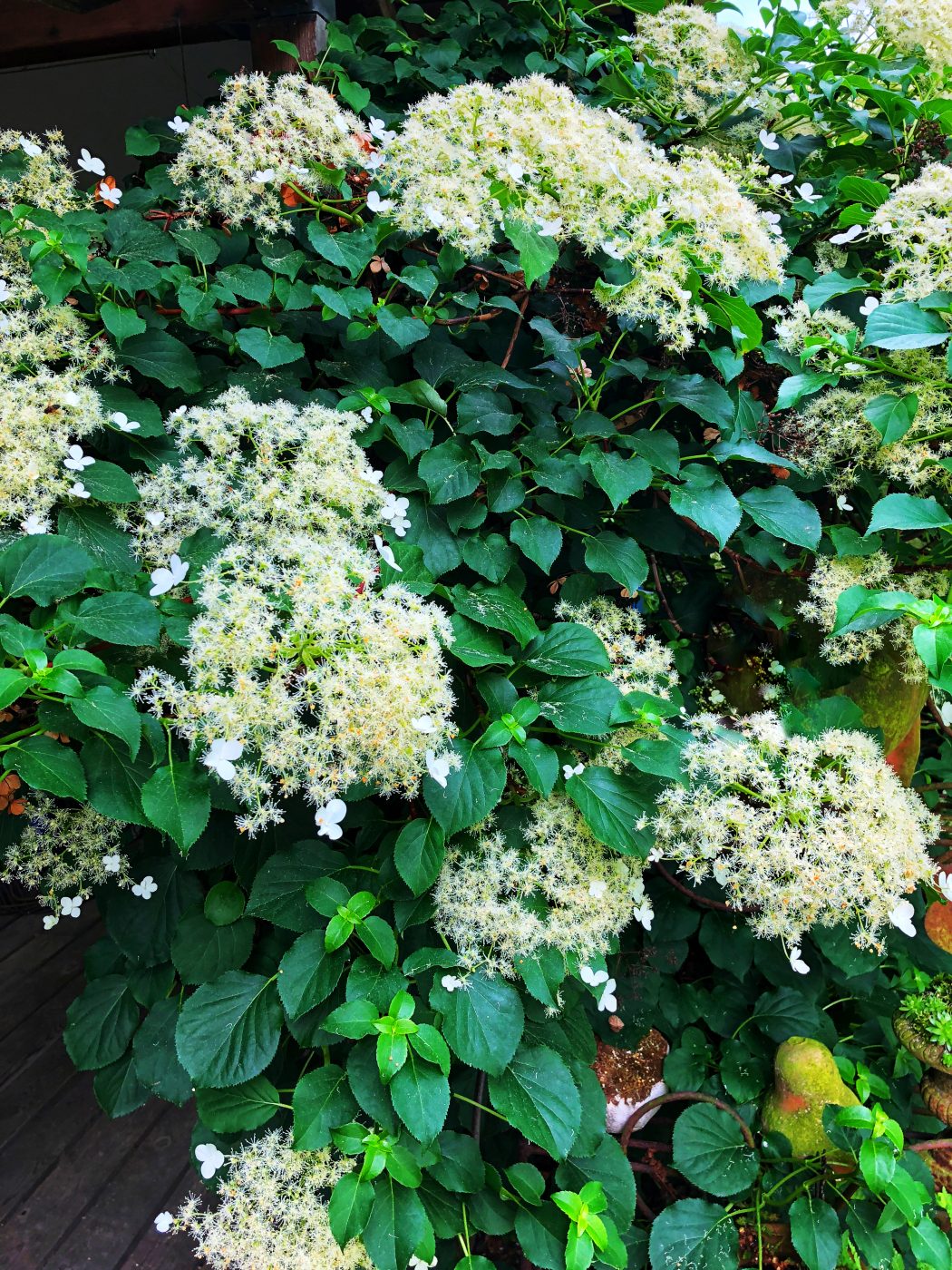
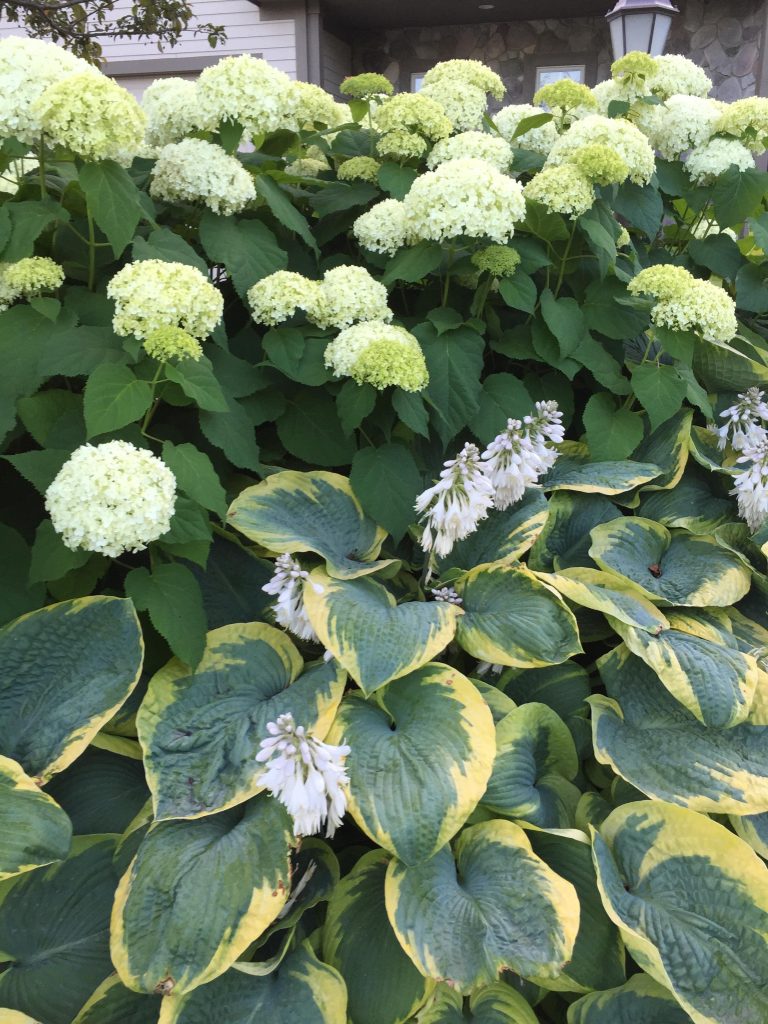
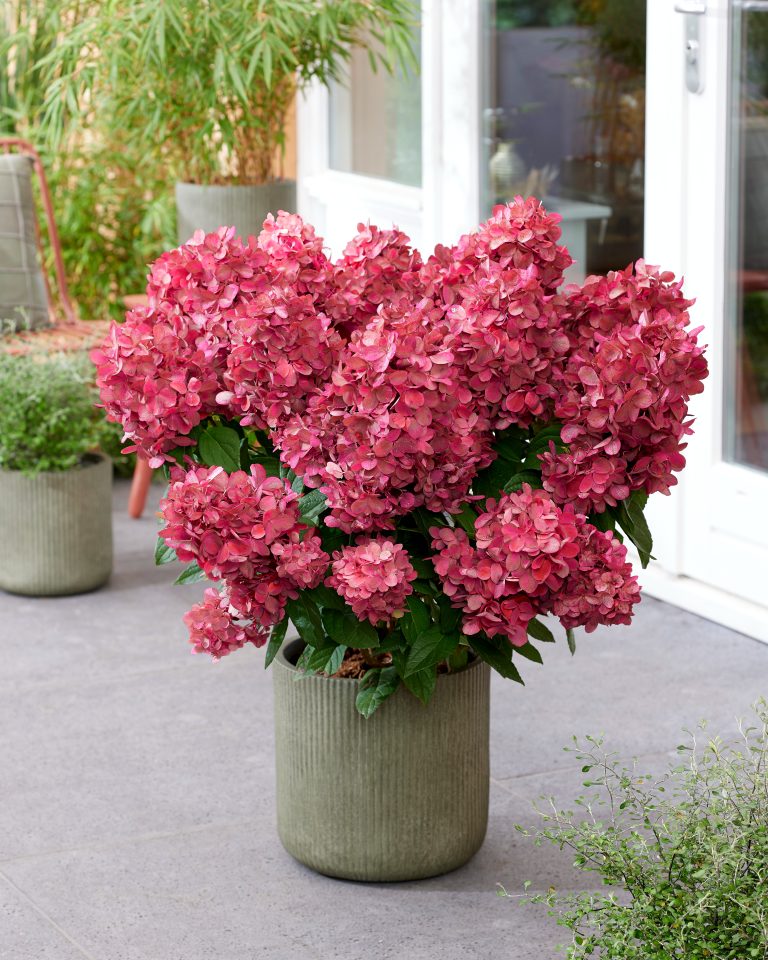
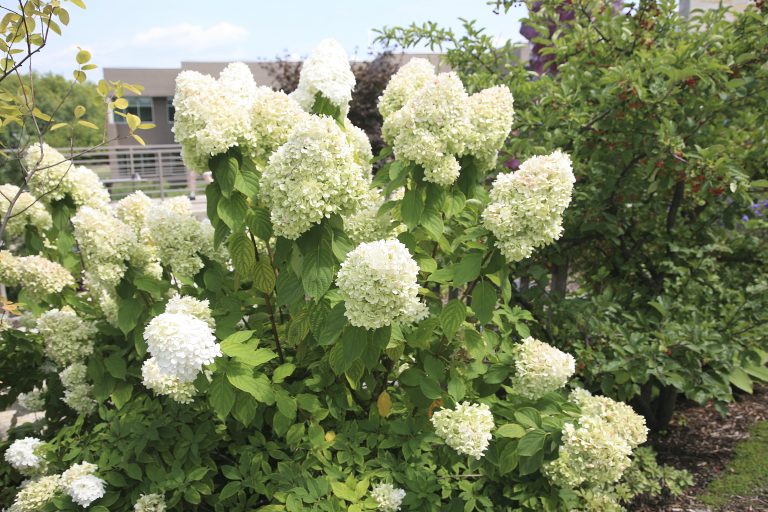
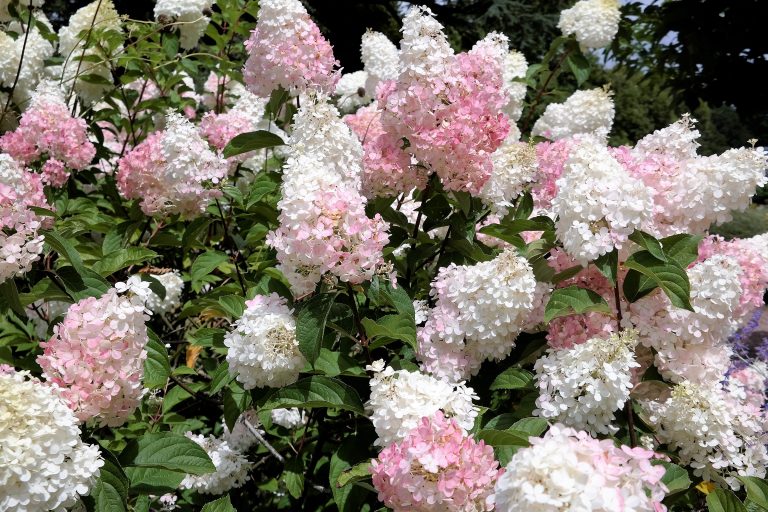
Hydrangeas offer large flower clusters and varied shrub forms. Panicle and smooth hydrangeas flower on new growth, while many bigleaf and oakleaf selections depend on older wood. Sun tolerance, pruning and flower-color response depend on the species and cultivar.
CHARACTERISTICS & ATTRIBUTES
Growing Temperature: Use the hydrangea species and cultivar’s forcing schedule. Old-wood bloomers require preserved buds and appropriate chilling.
Soil pH: Species-dependent. pH can affect flower color in suitable H. macrophylla/H. serrata cultivars, but not in all hydrangeas.
Pests and Diseases: Aphids, spider mites and scale can build under cover. Powdery mildew, Cercospora leaf spot, botrytis and root rot are common disease concerns.
Potting and Timing: Separate species and flowering groups before forcing. Preserve existing buds on old-wood bloomers; a hydrangea liner does not have one universal spring schedule.
Moisture: Keep the root zone uniformly moist without holding it saturated. Repeated wilt can scorch foliage and delay establishment.
Planting Level: Leave the root flare visible and match the original liner depth; do not bury lower stems.
PGRs/Pinching: Prune panicle and smooth hydrangeas in dormancy if needed. Bigleaf and oakleaf types may lose flowers if old wood is cut at the wrong time.
Lighting: Panicle types take more sun; bigleaf and oakleaf hydrangeas often benefit from afternoon shade.