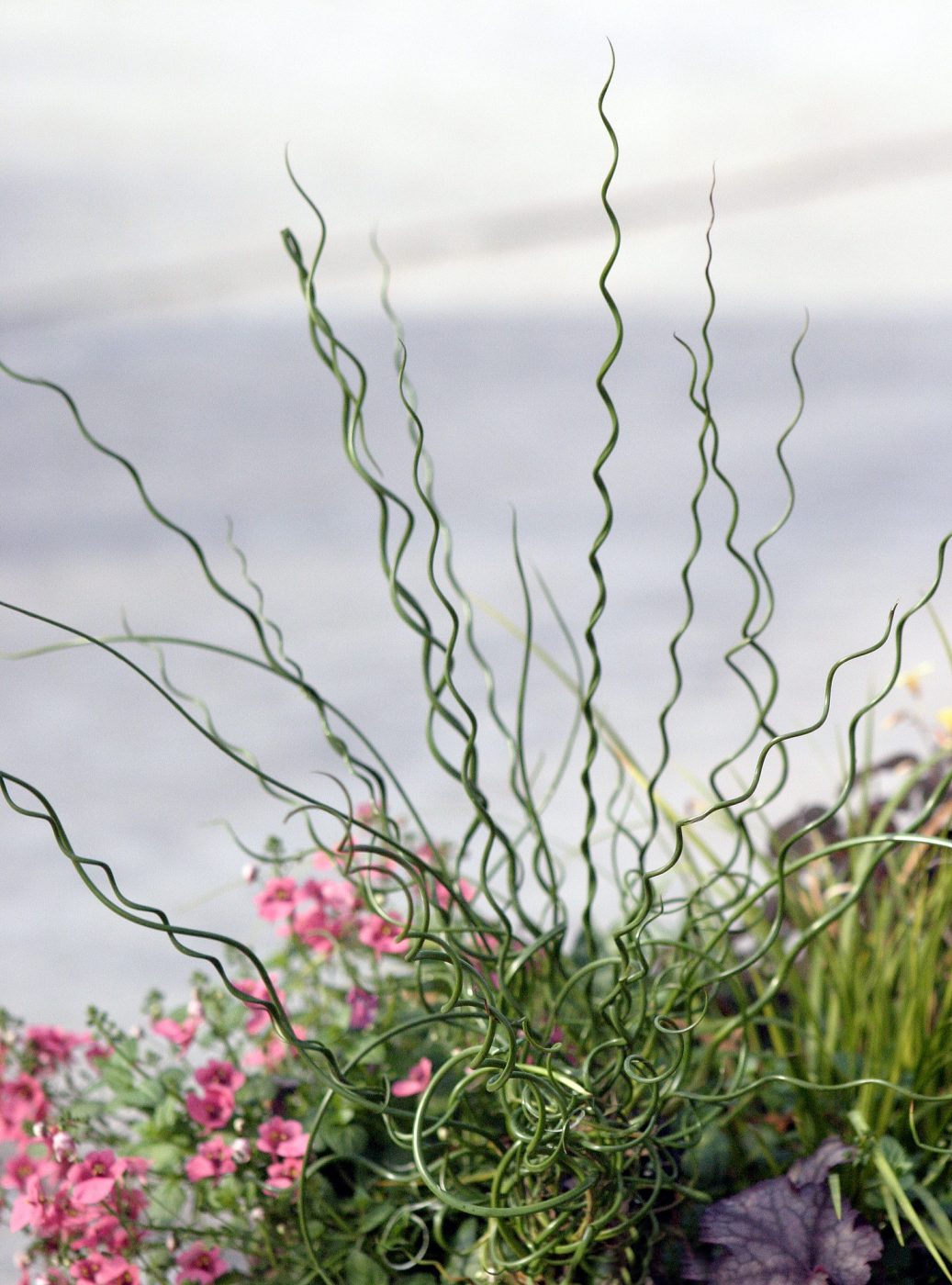
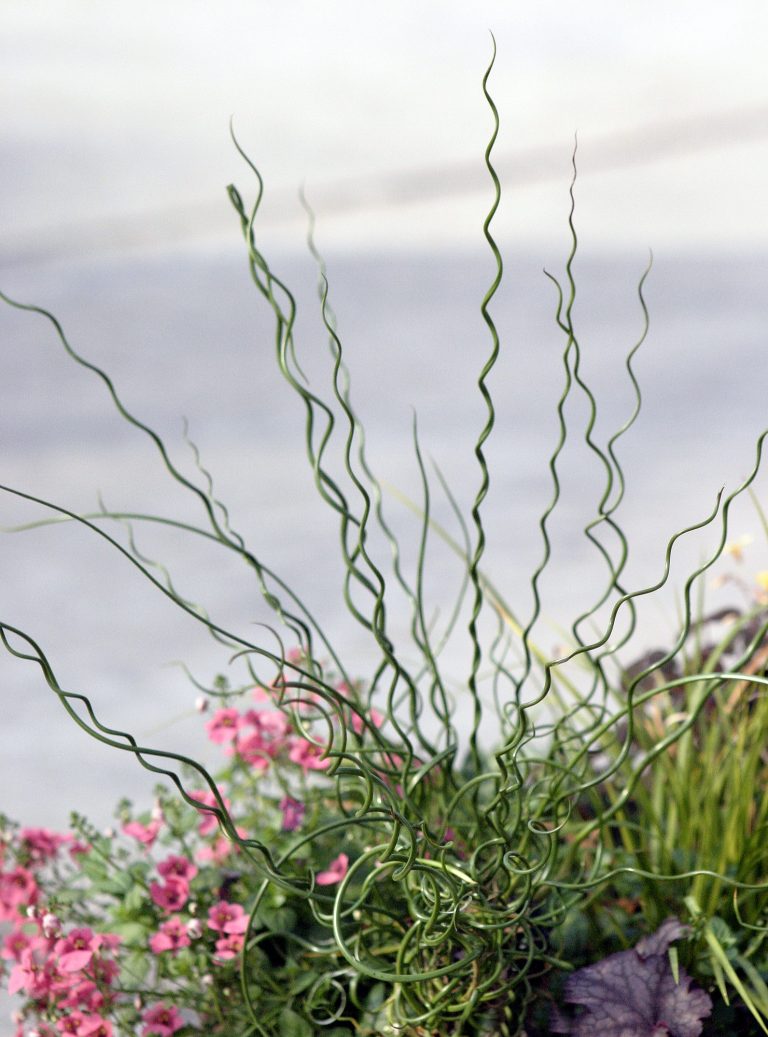
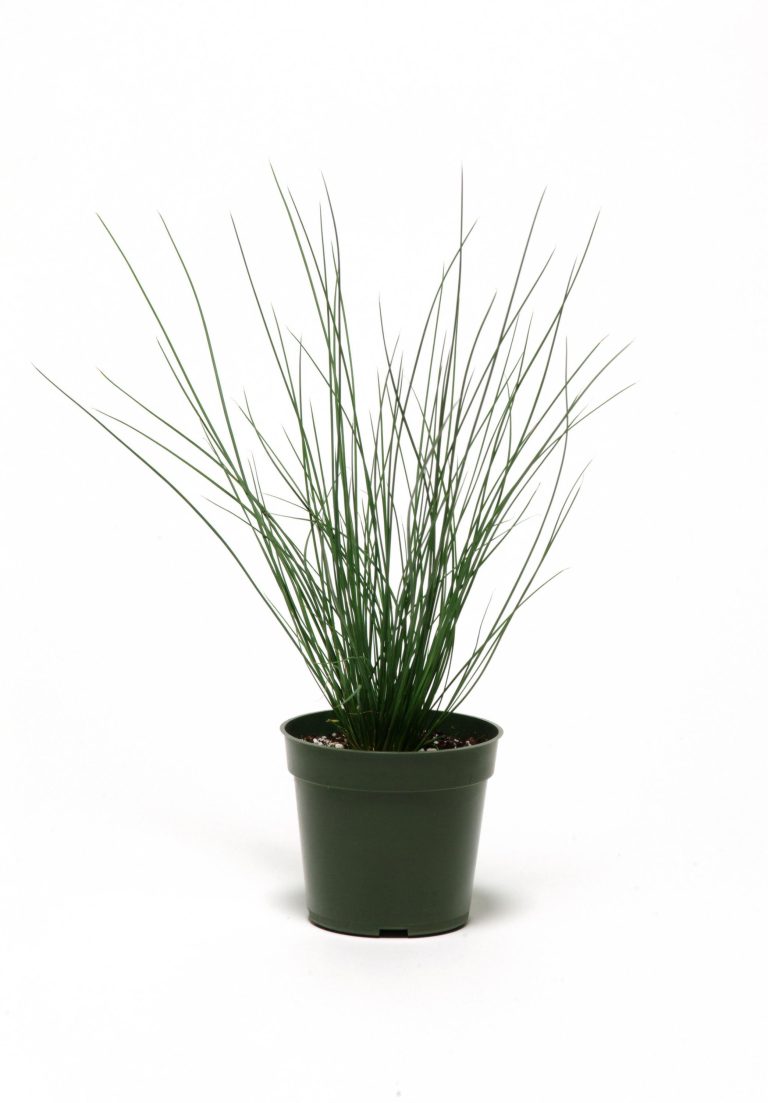
Rushes are grasslike members of Juncaceae. J. effusus and J. inflexus form upright clumps suited to wet ground. The smaller J. tenuis also occurs in compacted paths and should not automatically receive the same standing-water treatment.
CHARACTERISTICS & ATTRIBUTES
Growing Temperature: Seasonal temperatures suited to the identified rush. Water availability matters more than a shared genus-wide setpoint.
Soil pH: Species-dependent. Common wetland rushes tolerate a wider soil range than the earlier narrow container number implied.
Pests and Diseases: Rushes generally have few major pests. Rust or leaf spots may occur. Match water conditions to the Juncus species before attributing yellowing to root rot.
Potting and Timing: Identify the rush before choosing water depth. Establish roots in moist media before placing wetland types into shallow water.
Moisture: J. effusus and J. inflexus need moist to wet roots. J. tenuis should not automatically receive standing-water culture; identify the rush before setting water depth.
Planting Level: Set the crown even with the media surface.
PGRs/Pinching: No pinching. Remove damaged stems individually; do not clip spiral forms into a flat hedge.
Lighting: Sun to partial shade, depending on species and available moisture.