Genus Overview

Lupinus (Lupine)

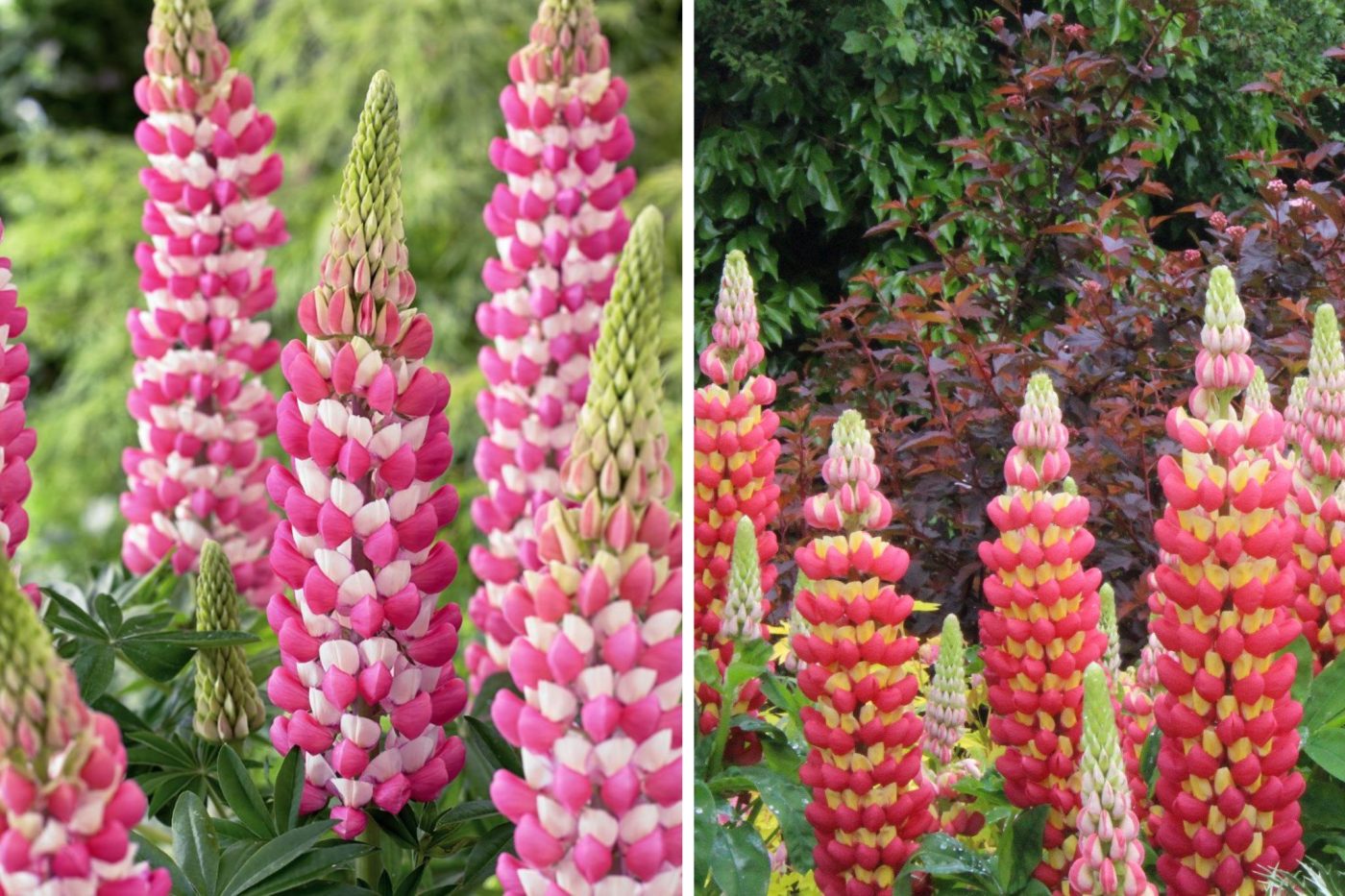
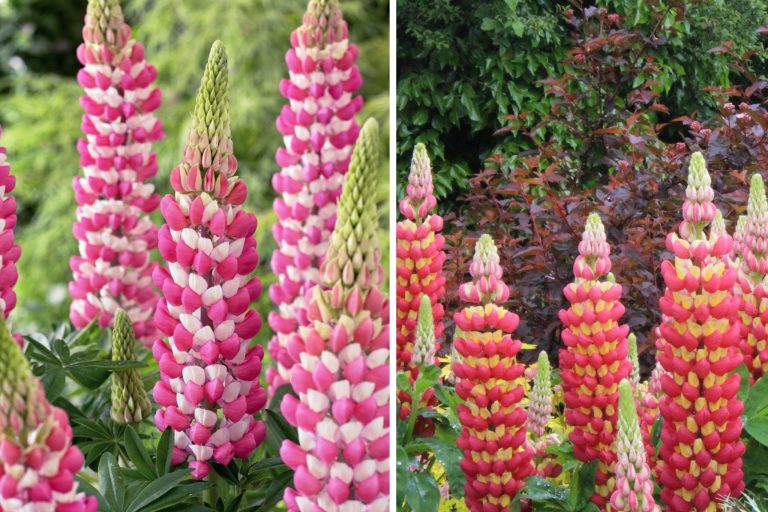
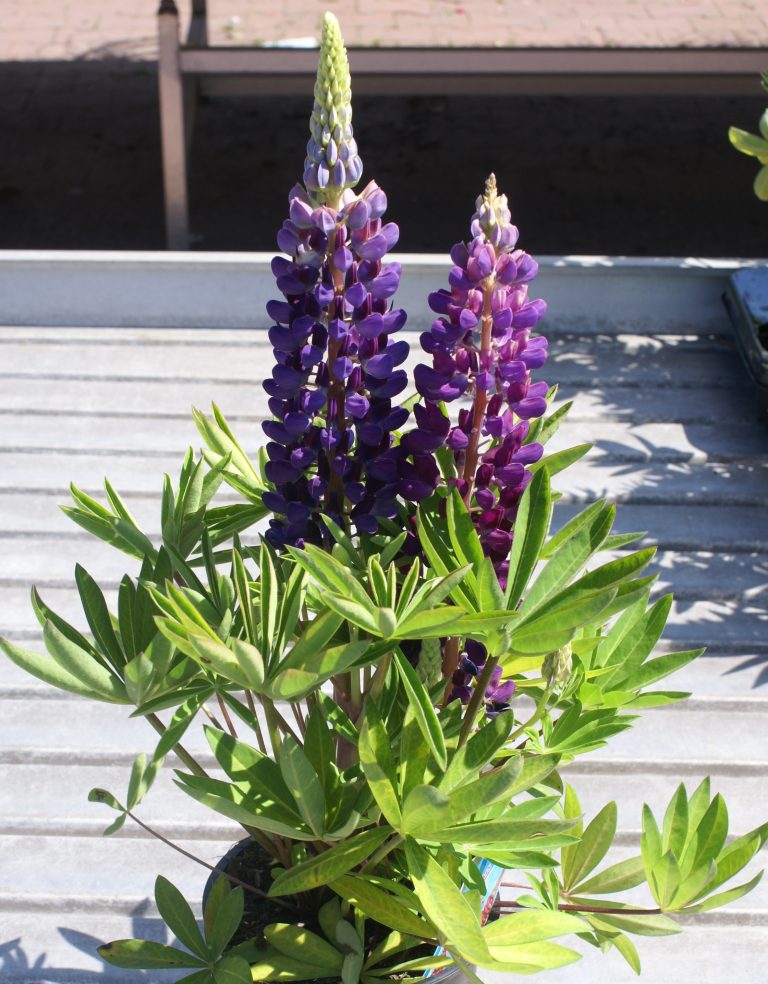
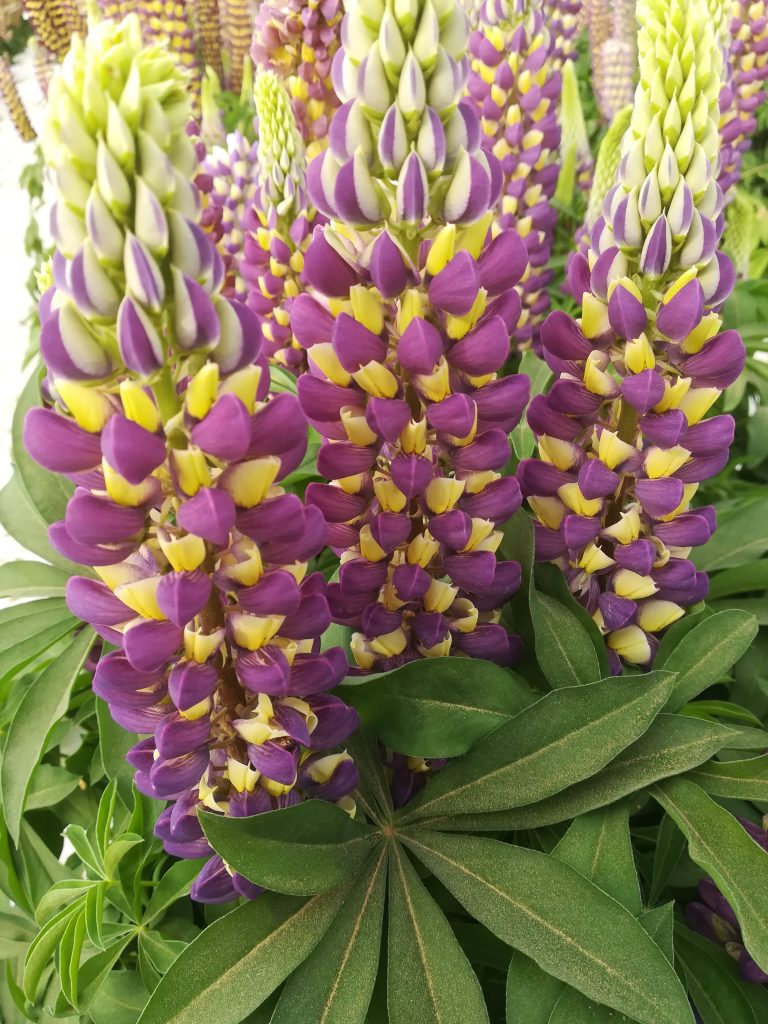
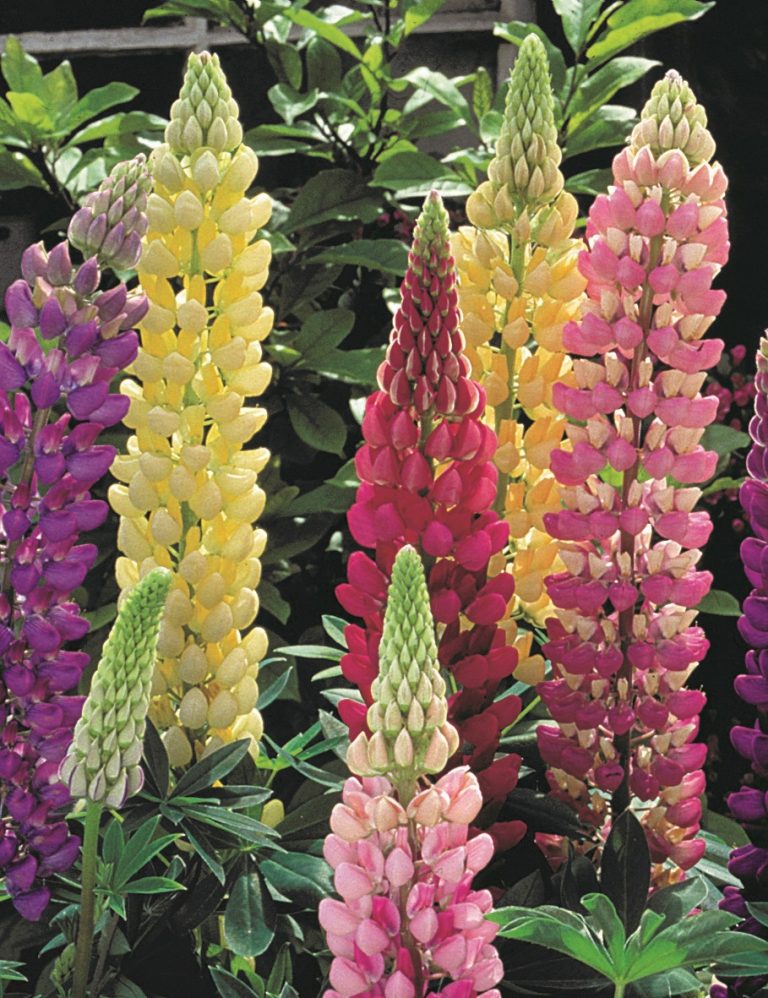
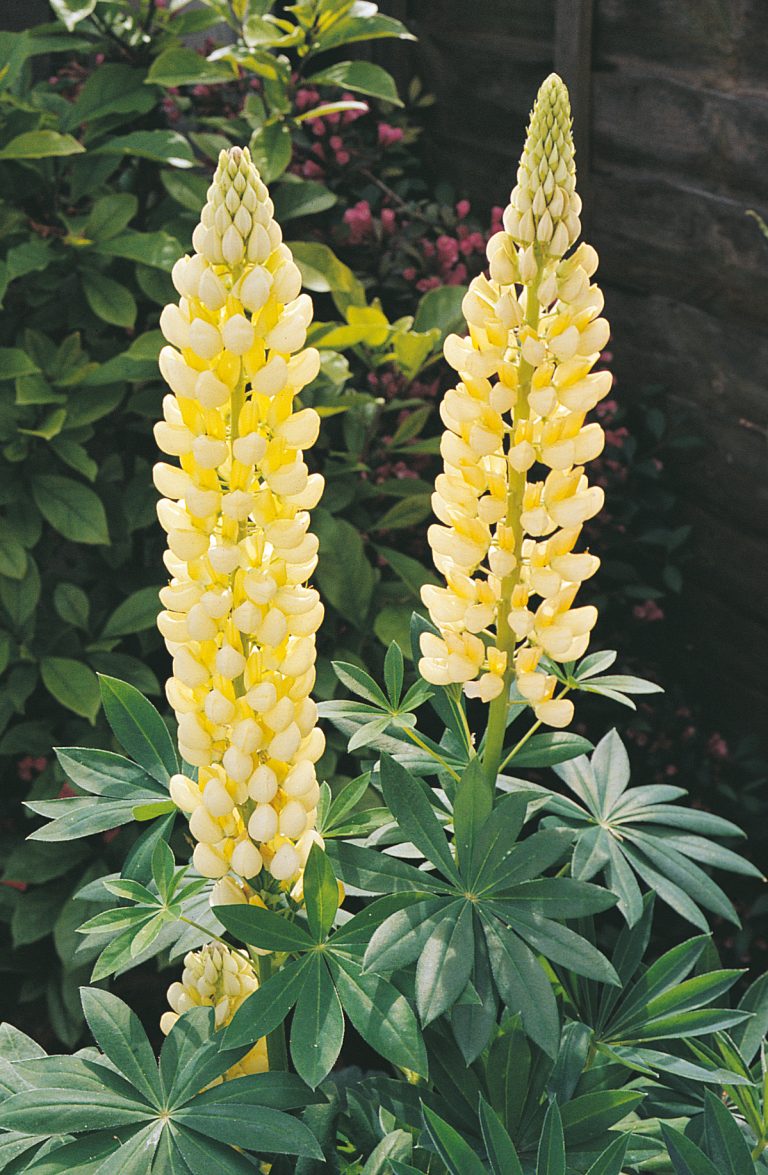
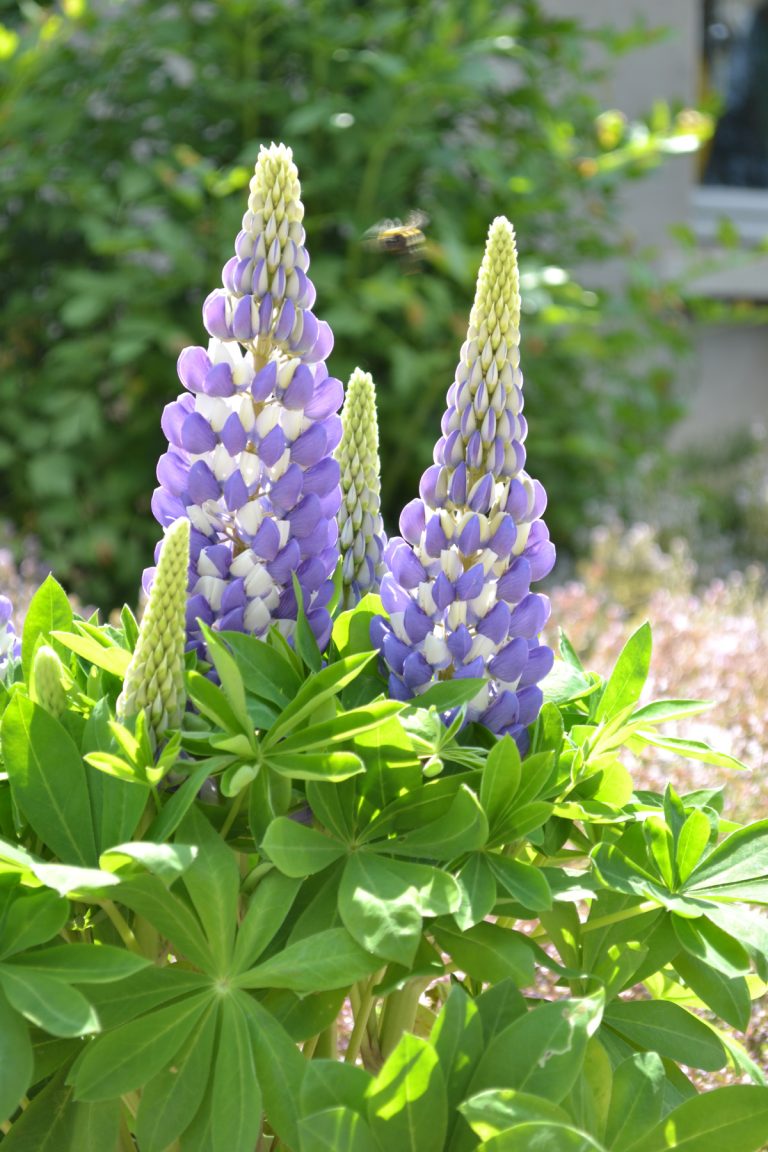
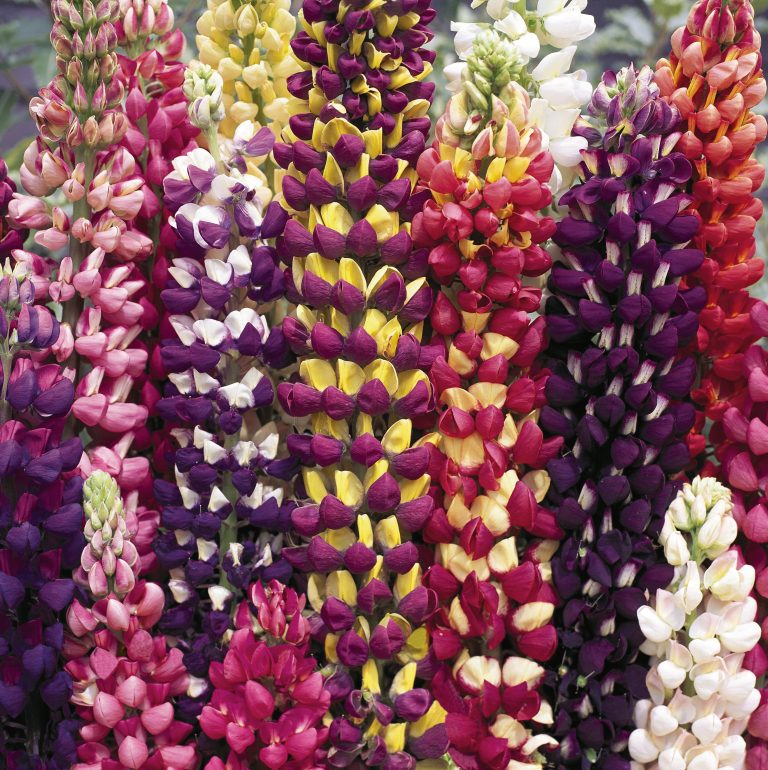
Unsurpassed early summer color with dense spires of pea-shaped flowers. Plants grow best in cooler climates. Deadhead old flowers to promote rebloom.
Growing Temperature: Cool growth conditions suit perennial lupines. High summer heat can shorten their life and spoil flowering.
Soil pH: Perennial lupines generally prefer acidic to neutral soil. Strongly alkaline conditions can cause chlorosis.
Pests and Diseases: Watch lupine leaves for aphids, mites, slugs and mildew. Investigate wilted or decaying crowns before reusing propagation stock.
Potting and Timing: Use deep pots and avoid damaging the taproot. Keep the root zone cool and verify the series' cold requirement.
Moisture: Keep perennial-lupine roots moderately moist while leaves and flowers develop. Avoid both severe drying and saturation around the crown.
Planting Level: Plant at the original liner depth with the crown even with the media surface.
PGRs/Pinching: Do not pinch developing flower spikes. Remove spent spikes to encourage additional bloom.
Lighting: Full sun in cool regions; light afternoon shade may help in warmer summers.

The Potting Shed Info

Need help in choosing the right plants?​

Scroll to Top