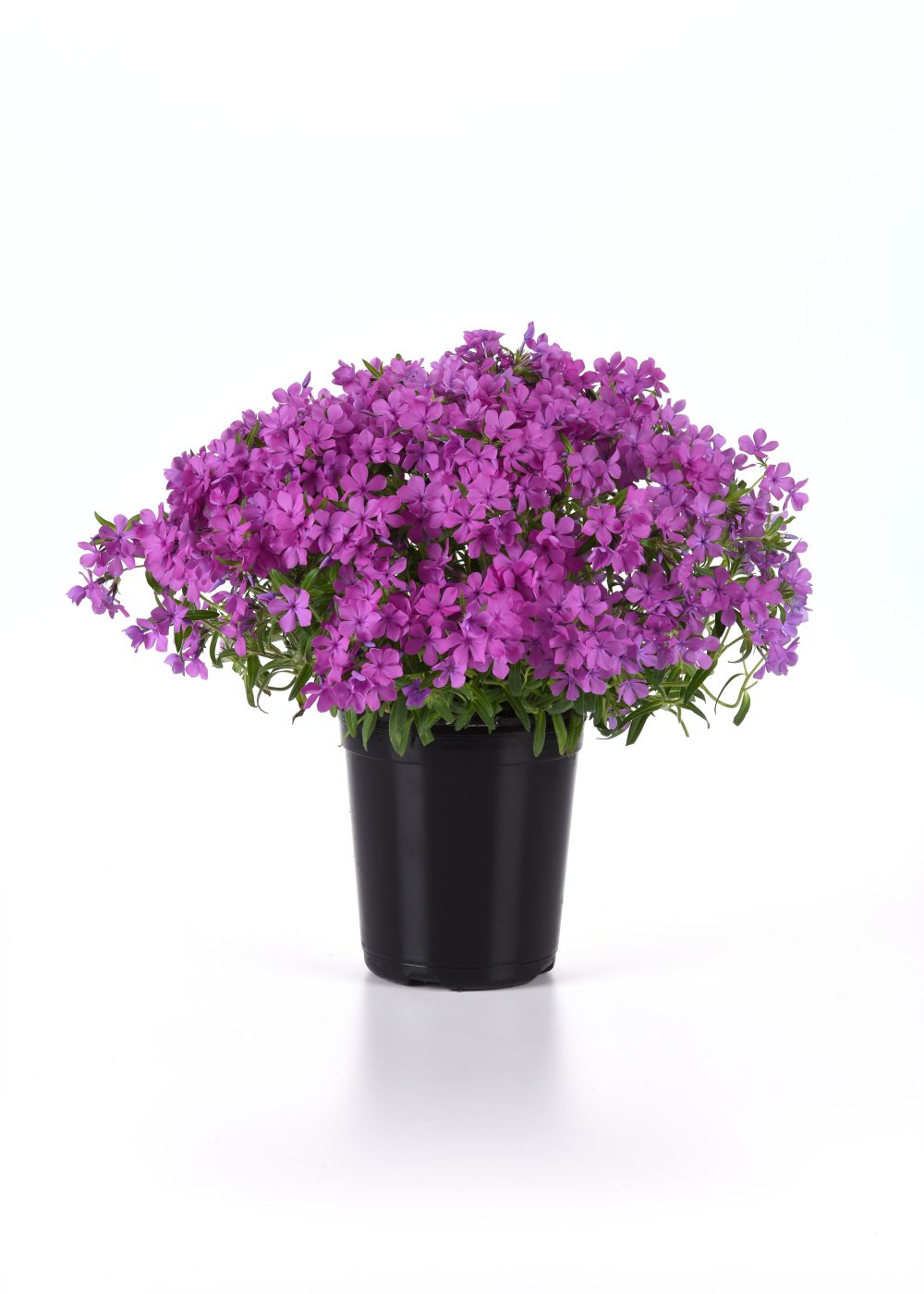
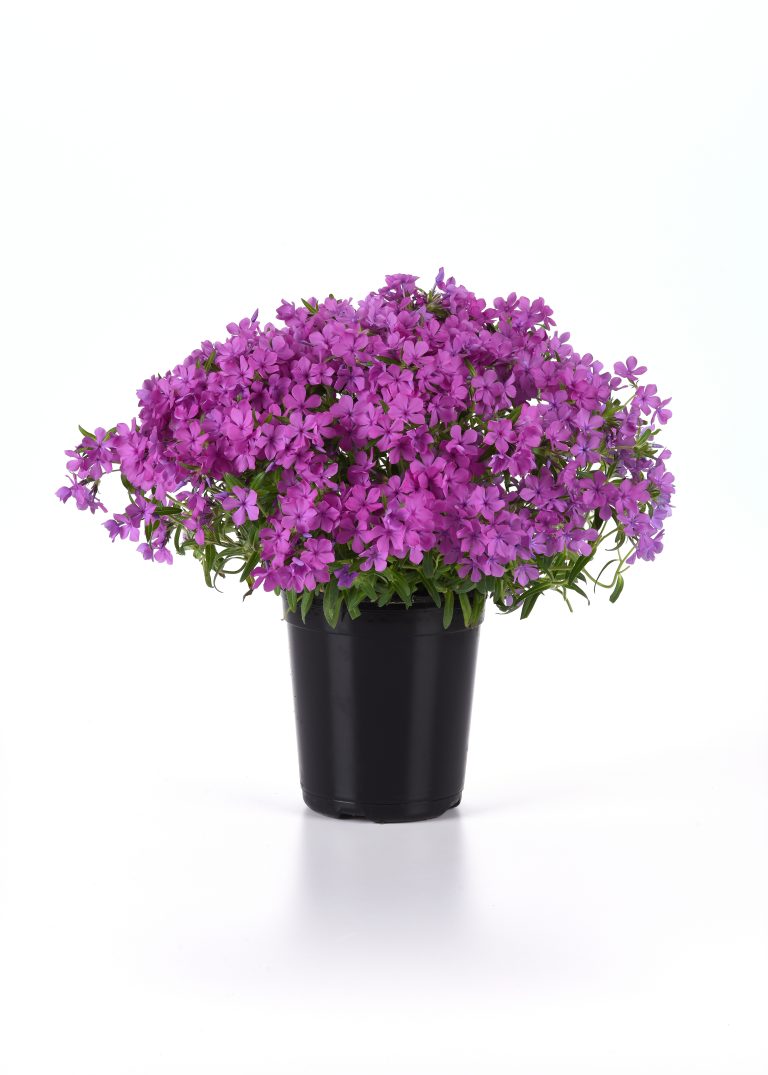
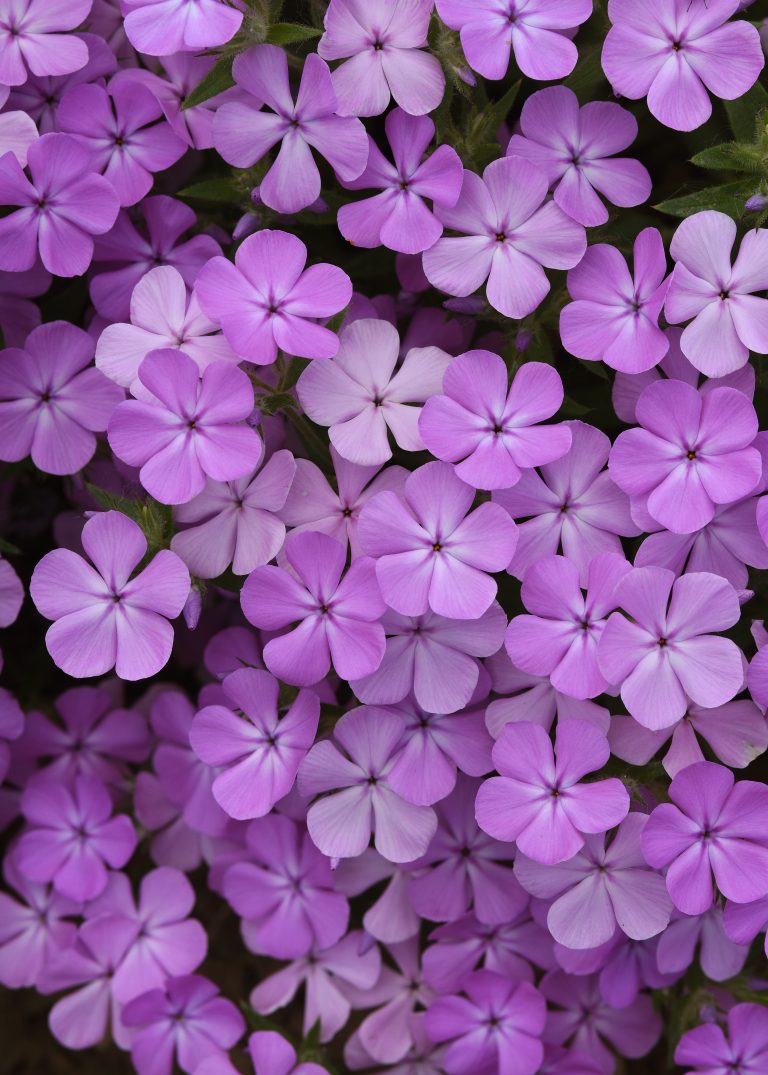
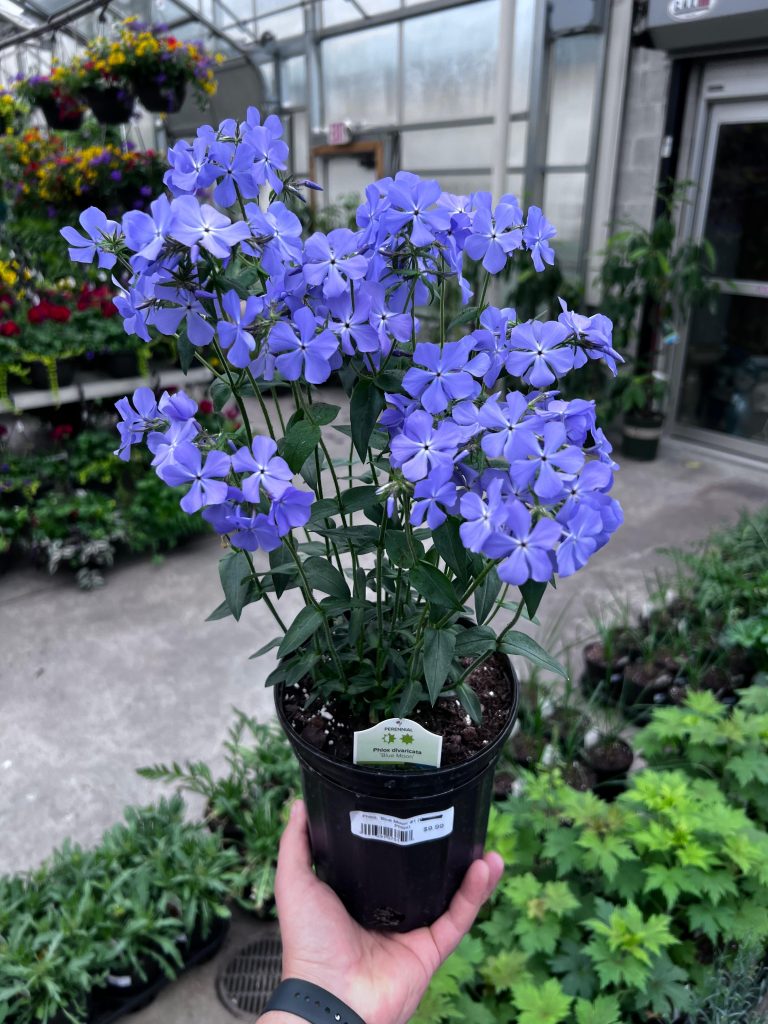
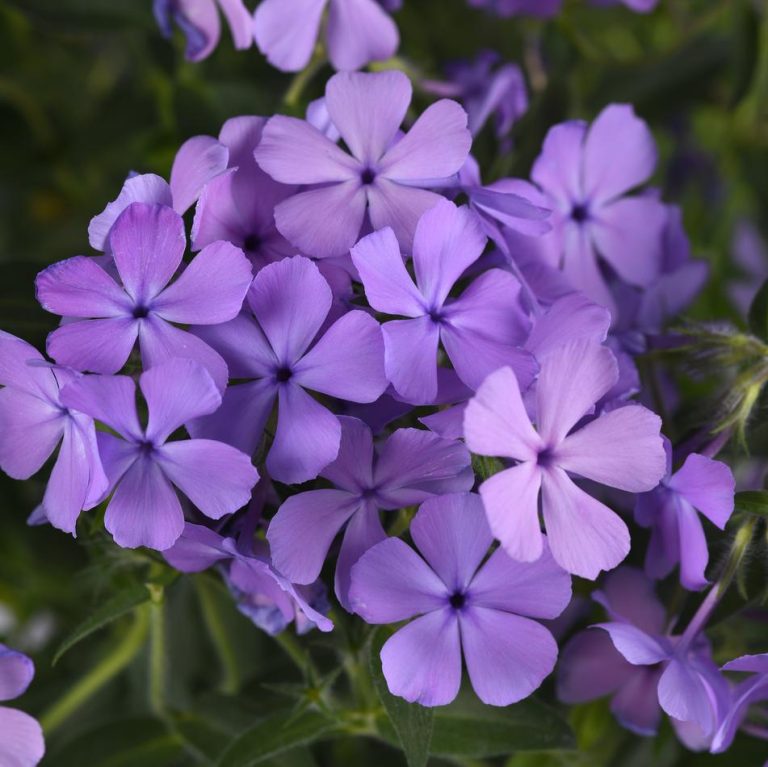
Woodland phlox forms low clumps or spreading carpets with a strong display of spring flowers. It belongs in lightly shaded beds with organic soil and dependable moisture. Bloom season and spreading habit vary between P. divaricata and P. stolonifera.
CHARACTERISTICS & ATTRIBUTES
Growing Temperature: Cool spring growth for the flower display. Summer shade helps maintain foliage quality.
Soil pH: Acidic to neutral woodland soil with organic matter.
Pests and Diseases: Slugs, mites or leaf disease may affect woodland phlox. Keep mats moist but drained and examine any persistent dead patches.
Potting and Timing: Pot into a humus-rich mix and establish before spring flowering. Woodland phlox should not be grown with the dry, exposed regime used for P. subulata.
Moisture: Keep woodland-phlox roots moderately moist during spring bloom and summer foliage growth. Water early so dense leaves dry before night.
Planting Level: Plant plugs even with the surface so stems can spread across—not beneath—the media.
PGRs/Pinching: Trim lightly after the spring display if needed. Routine pinching before bloom removes flowers.
Lighting: Partial shade, with useful spring light beneath deciduous trees.